Teammate Finder
Turning platforms biggest user complaint into a product feature — in five days.
Context
Leetify is a performance analytics platform for CS2 players — aim stats, positioning, win rates by map. It’s built for players who take ranked seriously and want to understand exactly what’s happening in their game. What it didn’t have was any way to help those players find each other.
I noticed the gap through support tickets, Discord threads, and my own time on the platform. No one asked me to solve it. I brought it to the founders as a proposal during a physical hackathon and owned it from idea to validated design in five days.
The problem
The real frustration isn’t skill. It’s people.
We ran a survey across Leetify’s user base to pressure-test the idea before building anything.
The complaints weren’t about stats or performance. Players couldn’t find consistent practice partners — and the workarounds were all outside the product. Discord LFG channels, Reddit threads, third-party apps. Slow, fragmented, and easy to abandon.
“I just want good people to play with, right now, who match my vibe and goals.” — CS2 player, Leetify Discord
The core frustration wasn’t skill. It was compatibility. And Leetify already had all the data to solve it.
Process
Five days, one room, no time to waste.
-
Research & problem validation — Ran the survey across Leetify’s user base. 12,400 responses confirmed the problem and surfaced which pain points mattered most — compatibility and communication, not rank. That shaped every filter decision downstream.
-
Feasibility with engineering — Before touching Figma, sat down with engineers to understand what was buildable in the time available. That conversation surfaced something critical: every Leetify user already has the Leetify Steam bot as a friend. It’s added during onboarding. That single insight changed the scope of what was possible.
-
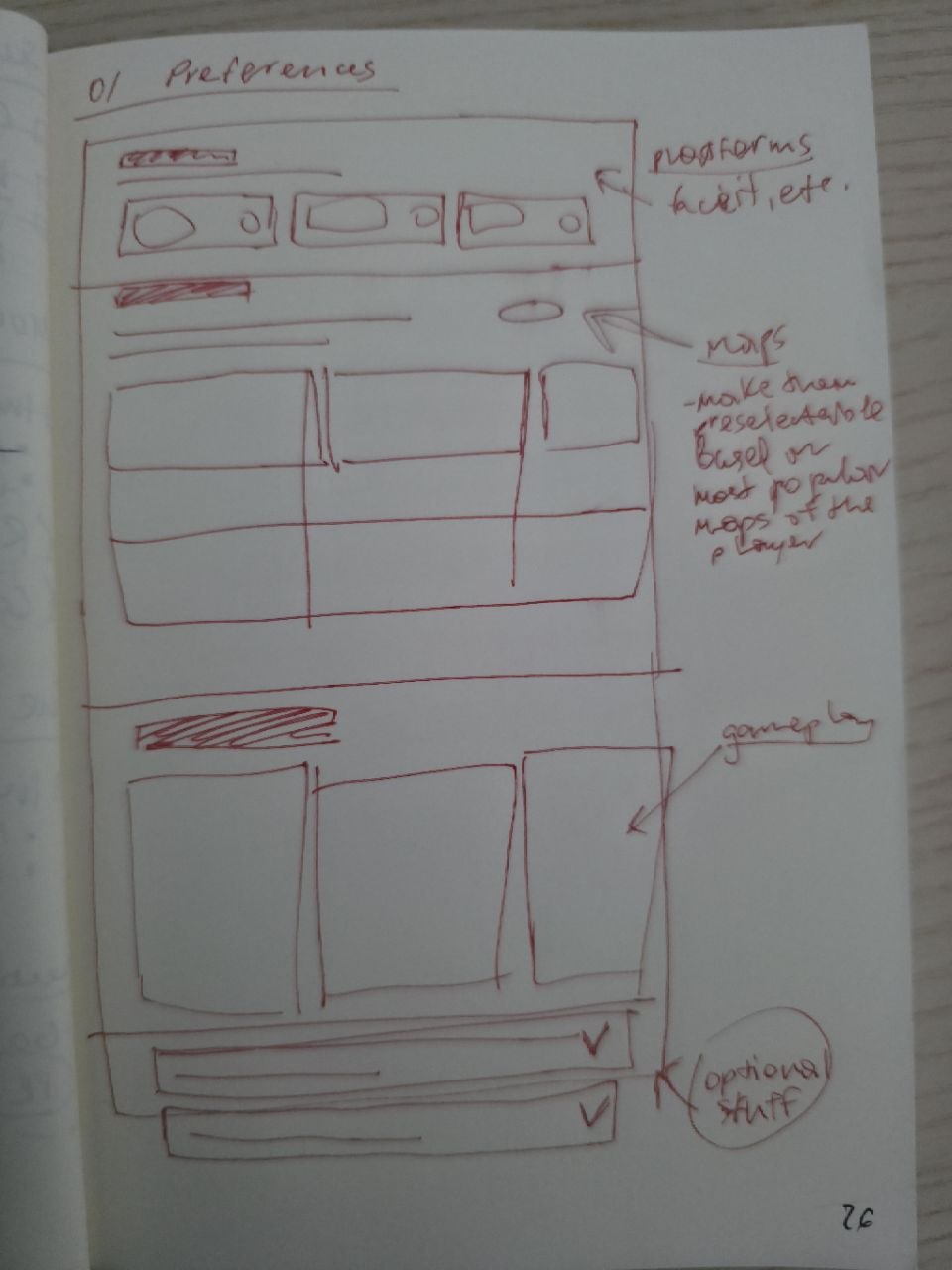
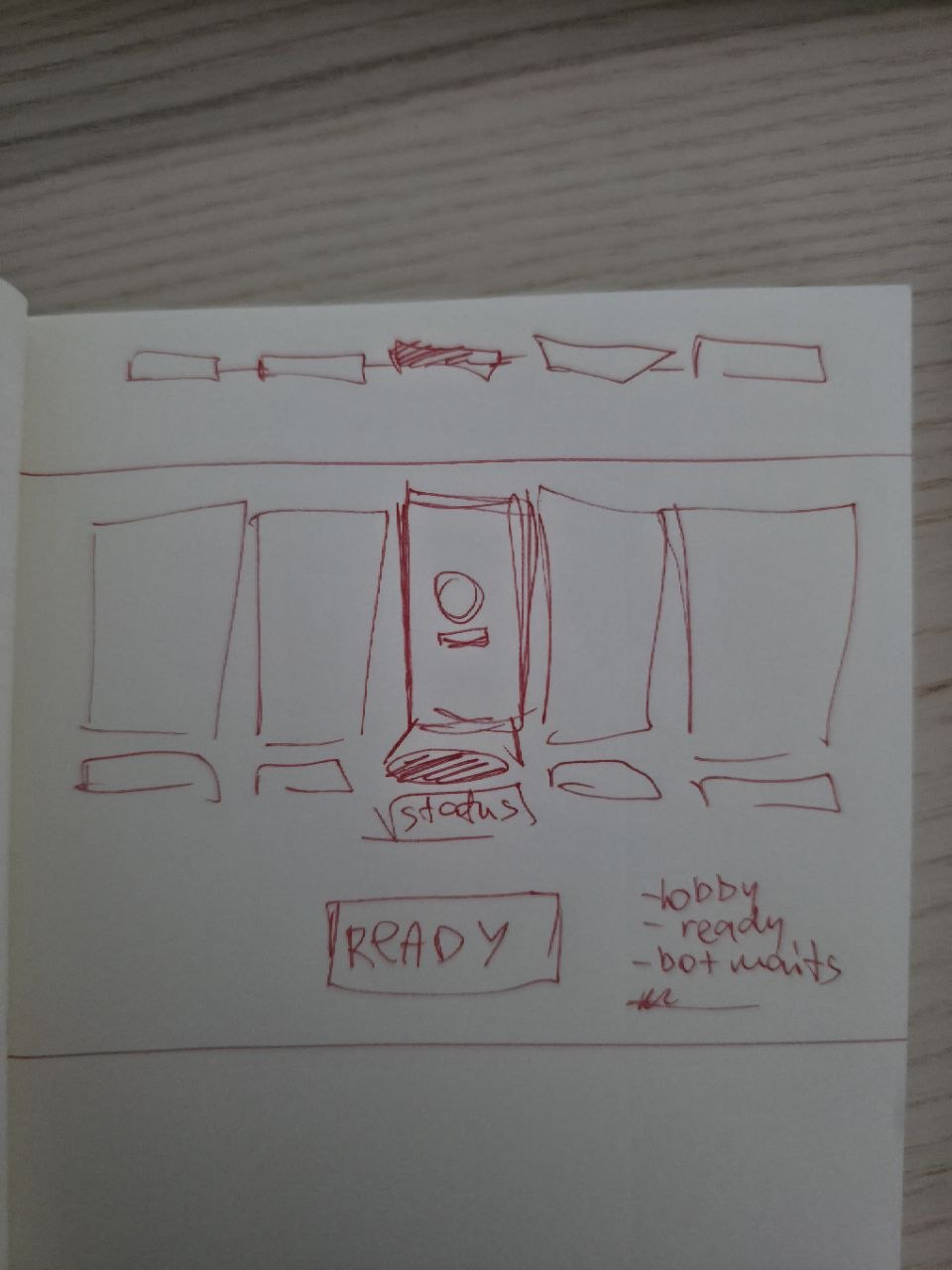
Paper lo-fis — Mapped the core flow on paper fast — preference-setting, queue state, lobby creation, post-match rating. Paper kept decisions cheap and fast at the stage where everything was still changing.
-
Straight into hi-fi — Given the hackathon pace, there was no room for mid-fidelity. Every screen decision had to be justified immediately. Lo-fis went straight to final design.
Key insight
Every other LFG tool stops halfway.
Discord servers and third-party apps help you find someone, but getting into an actual lobby still requires a string of manual steps — copy a Steam ID, send a friend request, wait for acceptance, create a party, send an invite, and hope the other person is still online by the time you’re done.
Because the Leetify Steam bot is already added as a friend during onboarding, it could automatically create a CS2 party, invite all matched players in, and leave — with no friend requests, no manual steps, and no copy-pasting. The design challenge became making that mechanism feel invisible, not explaining it.
The design
A four-step flow built around zero friction.
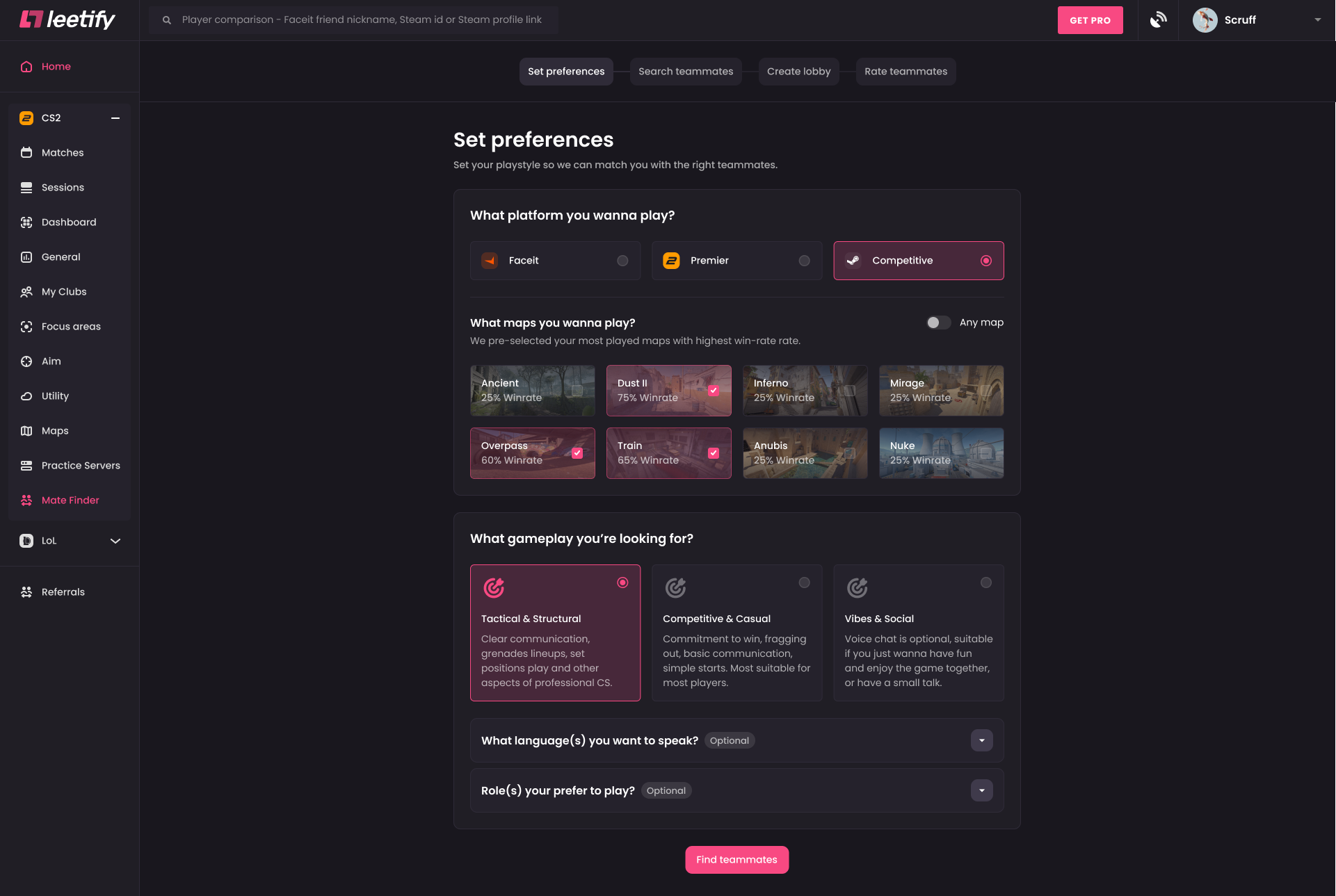
Step 01 — Set preferences
Maps pre-selected from your Leetify win rate data. Rank range, playstyle, mic preference, language — smart defaults throughout, everything overridable.
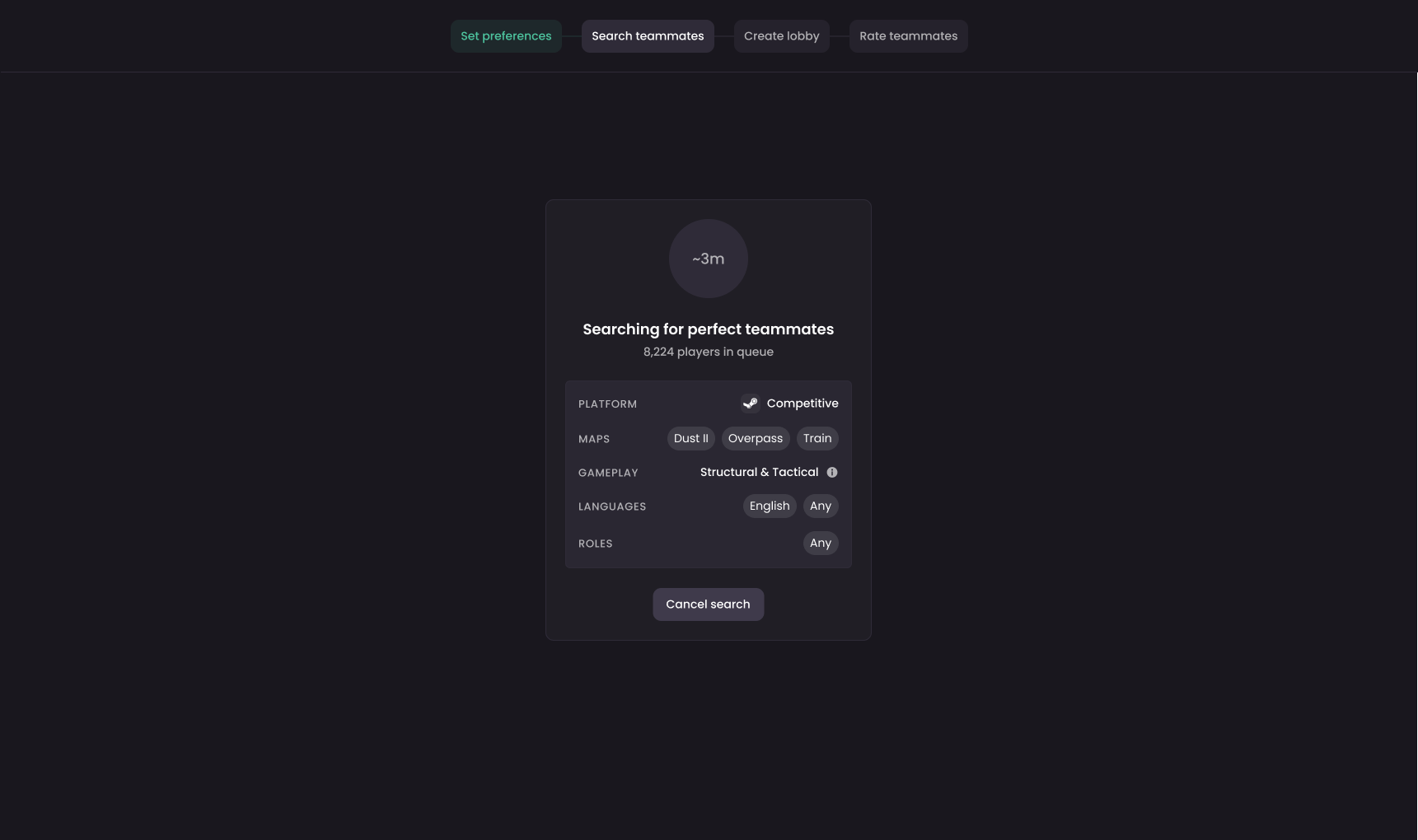
Step 02 — Search
Live queue with visible player count and estimated wait time. Active preferences stay on screen throughout so you always know exactly what you’re matching against.
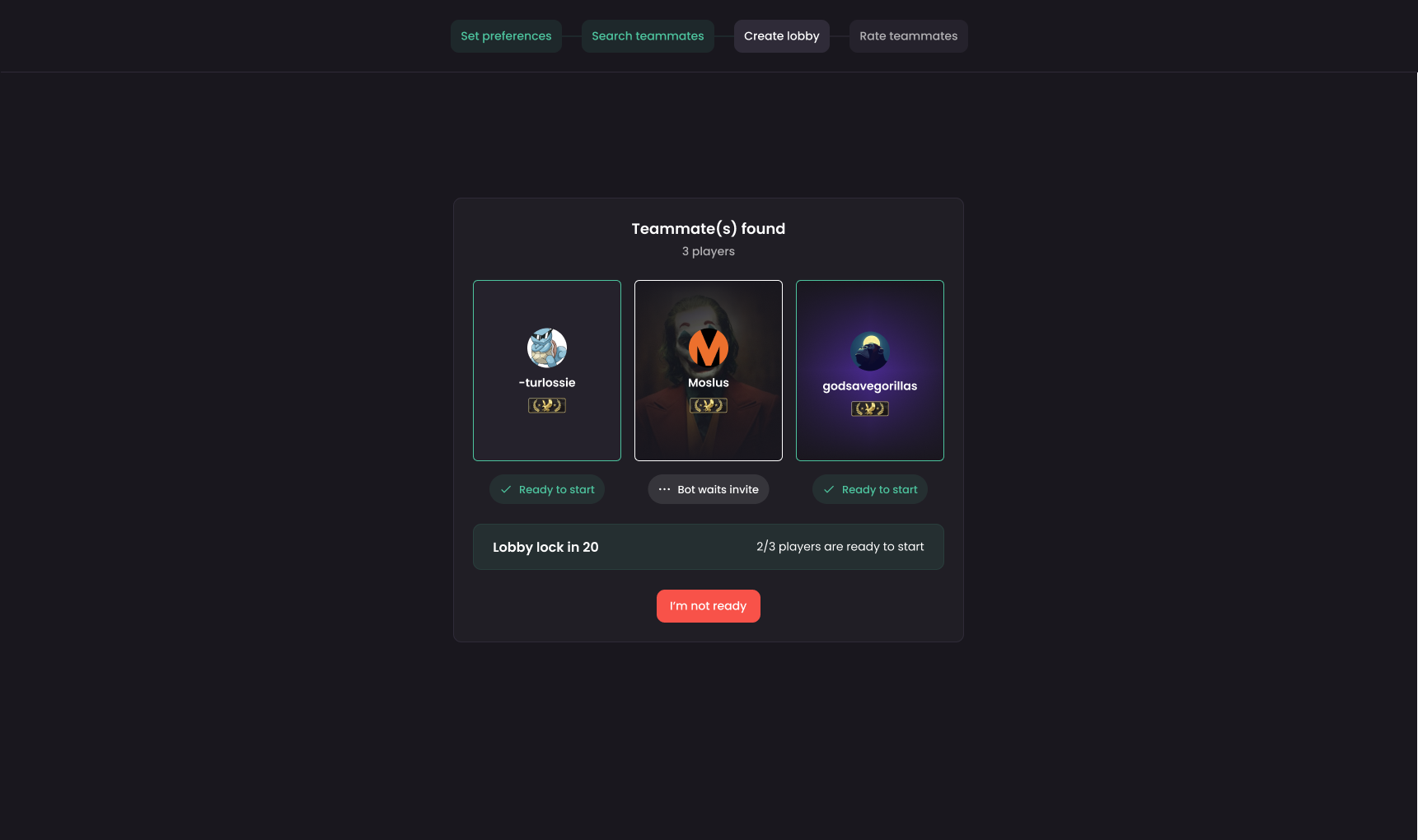
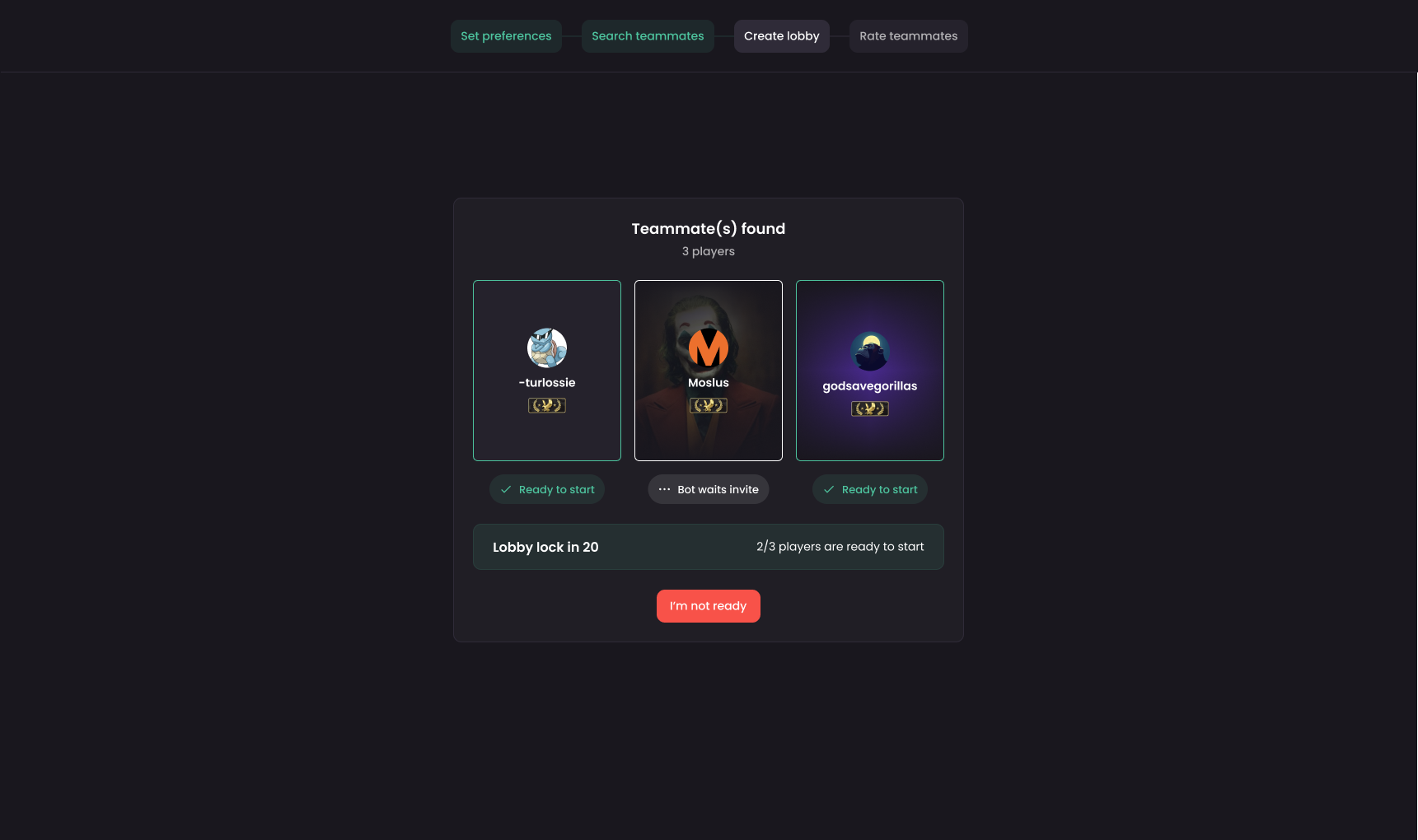
Step 03 — Join lobby
When a group is found, each player’s readiness status is visible in real time — including a brief “Bot waits invite” state during the Steam handoff. Transparent without exposing the complexity underneath. You confirm readiness. The bot handles the rest.
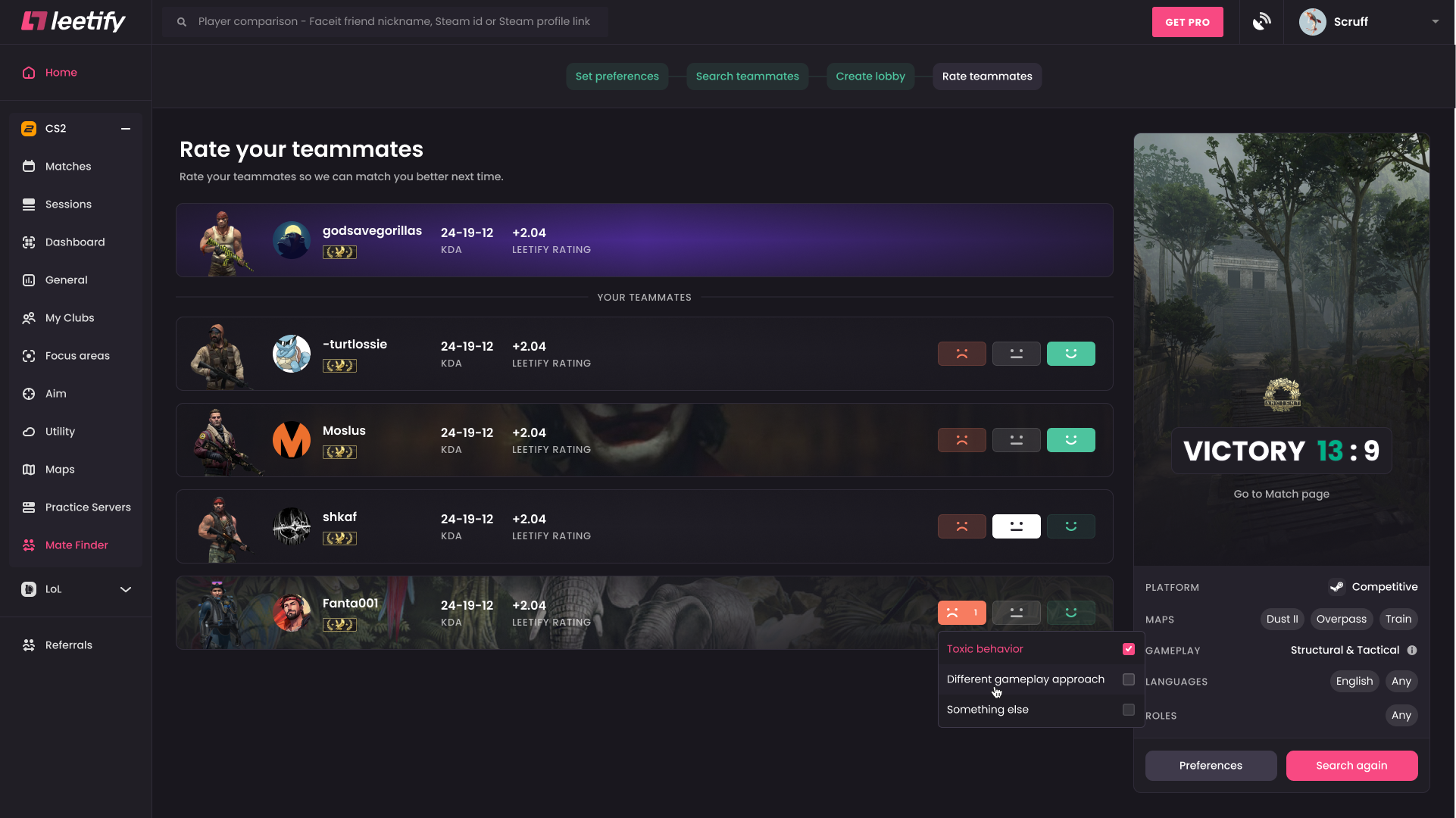
Step 04 — Rate teammates
Only surfaces players from your matched group. Negative ratings require a brief reason — which feeds back into filtering over time, making every match slightly better than the last.
Outcome
Designed and validated. Deprioritised.
The feature was fully designed and internally reviewed. It didn’t make it to the roadmap — real-time matchmaking infrastructure and the Steam bot dependency were non-trivial engineering investments, and at that stage the team chose to focus resources elsewhere.
The problem was real — 12,000 people confirmed it. The solution was sound. This is a normal part of product work. Roadmaps change.